Oklahoma Has A Low Cost Of Living, But Do Paychecks Go Far Enough?
Oklahoma is consistently ranked among the cheapest states in the country when it comes to the cost of living, but I wonder how many Oklahomans actually feel that benefit.
It's one thing to look at a national ranking and see how much cheaper it is to live here than in California. It's another thing entirely when you're struggling to pay for your efficiency apartment in OKC or Tulsa, wondering how you're going to make it to payday while living in the cheapest state in America, right?
According to the U.S. Bureau of Economic Analysis, the last time they measured Oklahoma's overall price level, it was 12.2% below the national average. California was 10.7% above it. That's a pretty substantial difference, but it doesn't tell us how much money people actually have left over after paying their bills.
Housing is one of the biggest reasons Oklahoma ranks so low. Our homes and apartments are considerably cheaper than those in some of the most expensive states, and that can make a huge difference. Fuel and transportation can be cheaper, too, and our electricity and natural gas prices tend to be very slightly lower than the national average... But what happens when you factor in how much we make compared to that national average?
Does Oklahoma's Cost Of Living Make Up For Lower Wages?
I'm really curious about that, and there's no economic source online that makes a decent case one way or the other.
If the cost of living in Oklahoma is actually lower, is it not all a wash compared to our average earnings? Does that wage gap eat up that advantage?
I think it's worth looking at because the cost of living isn't just about what things cost. It's about what those things cost relative to what you earn.
Why Gas Prices Vary Across Oklahoma
Being a big oil and gas state, I love to make a comparison with gasoline. I've wondered about how the price of fuel can be so different between towns across the Sooner State, and not for the reason you probably think. It's completely backwards from what you'd expect from supply and demand, but gasoline and diesel are more expensive in the towns where it's all made as compared to everywhere else.
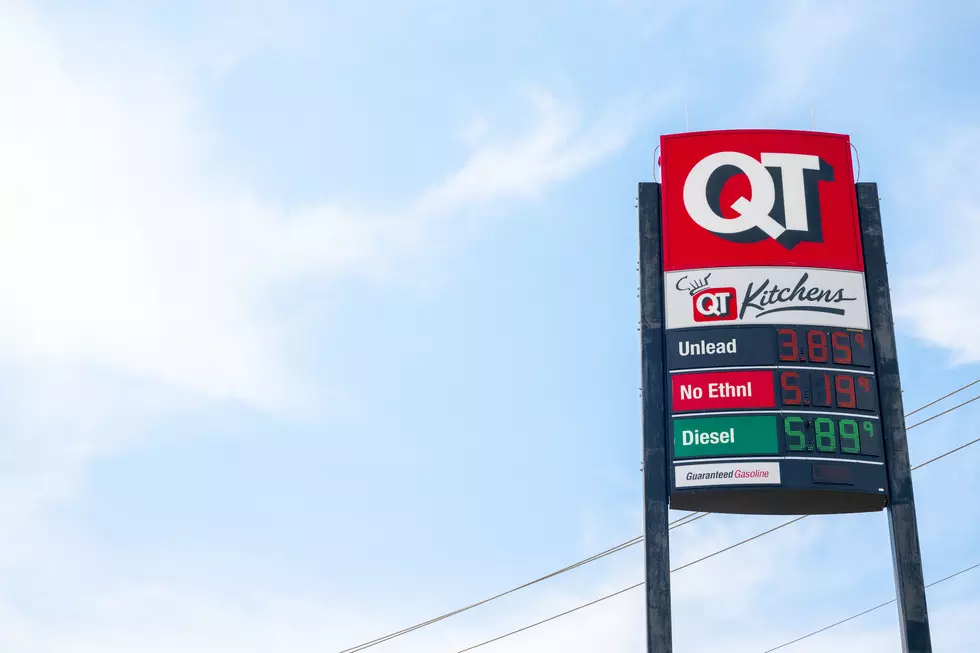
Take Ponca City, for example. The town only exists because of the huge refinery there, and they really pump out the products. Billions of dollars in sales each year, but if you're buying a gallon of gas in PC today, you're paying around $3.93 a gallon. Meanwhile, in Lawton, where almost every gallon of gasoline has to be trucked 70-something miles down the interstate from the racks in OKC, it's about 20 cents less for the exact same gallon.
You'd think living next to a refinery would give you some kind of price advantage, but that's not how that works.
Don't get me wrong, it's just a curiosity. There are legitimate reasons prices vary from one town to another, but it makes you wonder how much of what we're paying has to do with the cost of getting something to us, and how much has to do with what a business knows people will pay.
I had the same thought earlier this year when America traced the exploding diarrhea lettuce back to one giant farm producer. In the recalls, we all learned that most grocery stores sell the same stuff, but for vastly different prices.
We found out Whole Foods was charging a steep premium for the exact same Taylor Farms fresh produce that you can buy for considerably less at Walmart.
I mean, I get that whole opportunistic advantage in pricing there. All businesses do it. That's why your insurance always goes up and never comes down.
Maybe that's part of the bigger picture when we start talking about the cost of living in Oklahoma. We have cheaper housing and lower overall prices, but we also have lower wages. And while those lower prices certainly help, I'm not convinced they tell the whole story.
Maybe the reason Oklahoma is so cheap is that Oklahomans have less money to spend.
That's also not to say we're getting a raw deal by living here. Plenty of Oklahomans have great jobs, own their homes, and enjoy a quality of life that would cost them considerably more somewhere else... But for somebody working full-time and still struggling to cover the basics, being told they live in one of the cheapest states in America is probably more depressing than comforting.
I'd like to know how the numbers actually shake out when you compare what people earn with what they spend. Does Oklahoma's lower cost of living give us more purchasing power, or does the difference in paychecks make it all a wash?
Oklahoma's 25 Largest Employers
Gallery Credit: Kelso
Common Oklahoma Beliefs That Aren’t Quite True
Gallery Credit: Kelso
The 10 Best Players In Oklahoma City Thunder History
Gallery Credit: Kelso
More From KZCD-FM