How Real Is the Danger of Halloween Candy Tampering?
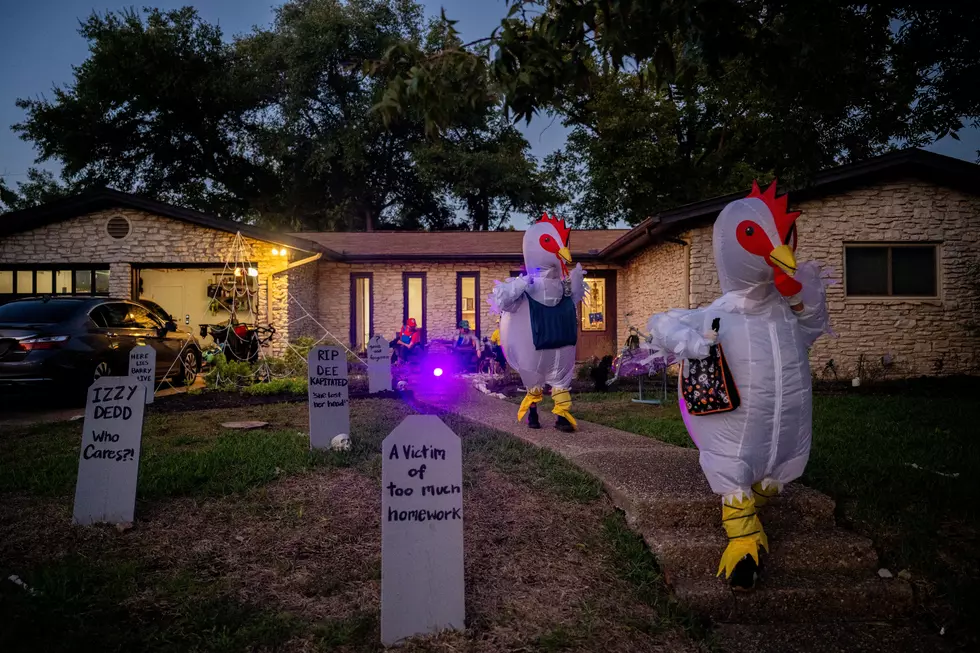
When we were kids, there were rules to the glory of Trick or Treating.
Life was different then, but kids were allowed a little freedom. As long as we stayed in our general neighborhood area, mom and dad knew who we were going with, and we promised to be on our best behavior, we were turned loose to have a little mischievous fun.
The other rules applied the moment we got home, first and foremost, the candy check.
I assume parents are still telling their kids about the wild risks of free candy today.
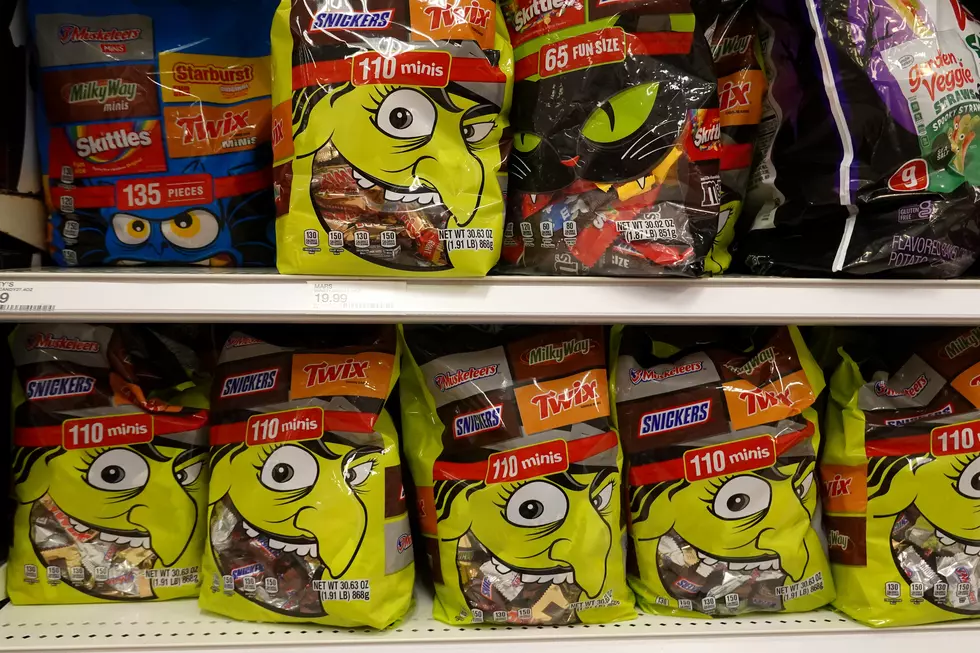
Warnings about needles, poison, candy with opened wrappers, and pretty much anything else an adult could imagine going wrong with a bag full of free candy.
Every Halloween, we'd hear some version of the same story, and every Halloween, parents would go through the haul before letting anybody dig in.
I get checking the wrappers. That's common sense. But the idea that some stranger is sitting at home plotting ways to poison neighborhood kids with miniature Snickers bars is wild beyond belief.
That has to be some old urban legend, right?
I did some digging.
The History of Halloween Candy Poisoning Scares
There's a sociologist at the University of Delaware that has spent his life tracking this very thing. The tampering of Halloween candy.
His research spans all the way back to 1958, and you know how many examples there are recorded in history of nefarious candy tampering?
Zero.
Granted, there is one famous exception people bring up, and it's a terrible one.
In 1974, an eight-year-old boy died after eating a cyanide-laced Pixy Stix. The entire country thought it was a worst-case Halloween example of people sucking, but as it turned out, his father did it in an attempt to collect life insurance money.
He also gave poisoned candy to the kids Trick or Treating with his own kids to make it seem like a random act of murder, but the fuzz caught on pretty quick.
You can argue that's a real case of poisoned Halloween candy, but it wasn't a stranger targeting random kids. It was way worse.
Ever since Oklahoma voted for medical marijuana, news outlets have added marijuana gummies to the list of things parents are supposed to fear.
Since 2018, warnings about THC edibles have made the rounds before Halloween, often accompanied by pictures of candy-like products and reminders to check every piece.
THC Gummies and Halloween Candy Warnings
The products exist, and children could easily mistake them for regular candy... But who is deliberately handing out really expensive good time medications?
I did some digging there too... Sigh...
There have been a few actual marijuana incidents worth mentioning.
In 2023, a child in Carol Stream, Illinois, received a THC lollipop while trick-or-treating. Their parents caught it before the child ate it, but that's a legitimate reason to take the candy check seriously.
In 2024, an eight-year-old in Washington State became ill after eating a bag of THC gummies he had received while trick-or-treating.
The candy was packaged to resemble Nerds Gummy Clusters, but it was clearly marked as "medication."
The child ended up having a pretty stellar night in the hospital.
Even between those two real-world examples, neither case was determined to be intentional... Just a couple of real idiots handing out the wrong candy.
The older I get, as I've now seen it happen firsthand, I know the candy inspection is just a little payoff for the stress that goes into making your childs night a fun one. Parents get first crack at the good stuff while they're checking for anything suspicious.
"Peanut butter cups are poisonous, give those to me" - Mom
6 Things to Watch for in Your Kids Candy
5 Worst Things Kids Can Find in Their halloween Trick or Treat Bags
LET'S GO: 18 Old-School Halloween Things That Would Never Fly Today
Gallery Credit: Stephen Lenz
More From KZCD-FM